Features
The standard has been carefully crafted to serve all sectors of the entertainment industry. It allows for:
- Transport – use it to easily move entire schedules or breakdowns between applications or services
- Storage – provides a common format for legacy data
- Future Proofing – stores data in a simple text format that will be readable by any system in the future
- Flexibility – the schedule and breakdown data are stored separately, allowing for the storage of just breakdown data without a schedule, if desired
- Storage of Metadata – includes important additional data such as calendars, multiple stripboards, individual settings for elements, etc.
- Conforms to the Universal Category Identification standard so that all breakdown categories are easily identified and parsed
- Open standard – no licensing fees – free to use
- Not reliant on any third party resources or services
- Is extensible if you’d like to store additional data
- Works interchangeably as a file and as data in an API call

Details
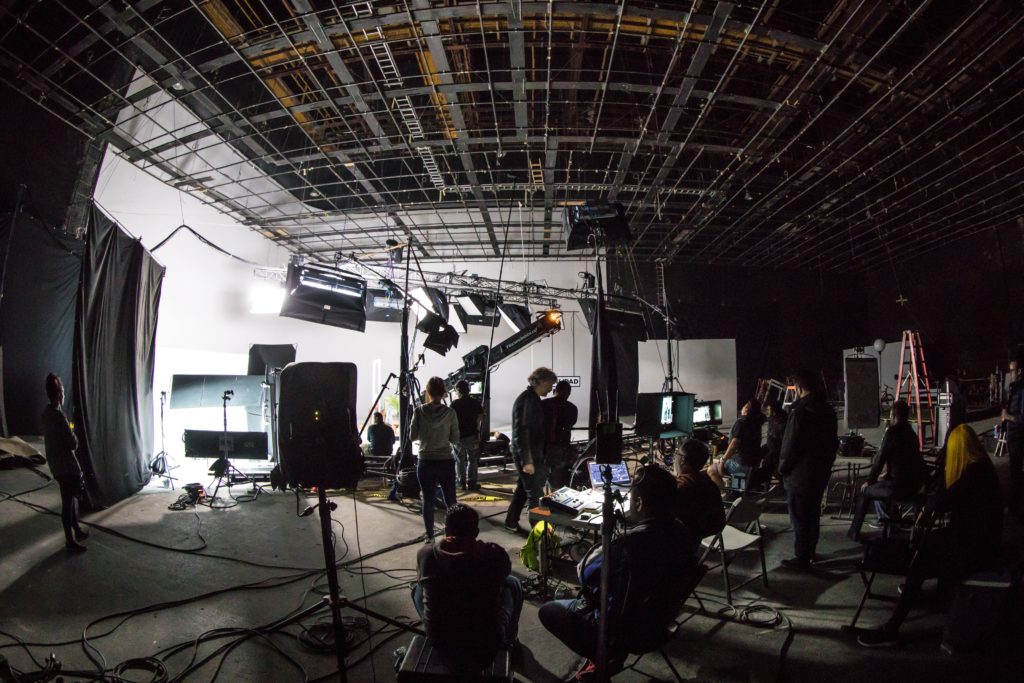
This standard has been designed as a concise way to store as much schedule and breakdown data as possible in a format that is both human and machine readable.
The schedule and breakdown data are stored in JSON format, allowing for easily parsable import/export operations either in a saved file or through an API call.
Here is an example of the entire standard object:
{
  "universalScheduleStandard": {
    "id": "5d9fc8cfc0efae0017a32a11",
    "author": "Jane Smith",
    "company": "RKO Pictures",
    "created": "2022-10-07T00:12:06.000Z",
    "description": "This is a description of the schedule",
    "episode": "101",
    "episodeName": "Pilot",
    "name": "My schedule name",
    "project": "It's A Wonderful Life",
    "schedColor": "Blue",
    "schedDate": "2022-10-07T07:00:00.000Z",
    "scriptColor": "Yellow",
    "scriptDate": "2022-10-01T07:00:00.000Z",
    "season": "S03",
    "source": "Name of originating site or app",
    "ussVersion": "1.0.0",

    "breakdowns": [],
    "categories": [],
    "elements": [],
    "stripboards": [],
    "calendars": []
  }
}
The last five items in this object are where the schedule and breakdown data are stored. That data is merely a series of additional sub-objects that are stored in those arrays.
Examples
See the small sample file in the /samples folder for a brief example. To keep the sample file as readable as possible, it only contains one scene and a few elements. A full sample schedule of course contains more data and illustrates a real world implementation of the standard on a full schedule.